What is a communication platform for marketing? A prictical guide for businesses

Created by:
Categories: Connectivity

From first interaction to long-term loyalty: Learn how omnichannel strategies can help businesses create seamless, personalized experiences and what an effective customer journey really looks like.

A communication platform for marketing, campaigns, and more is a Communication Platform as a Service (CPaaS) based solution that allows you to manage multiple communication channels from a single interface—regardless of your company’s size or industry. This helps you reach your customers where they are and via the channels they prefer. Whether you use it for marketing, sales, or customer support, a communication platform simplifies managing omnichannel communication—an essential capability in today’s competitive market.

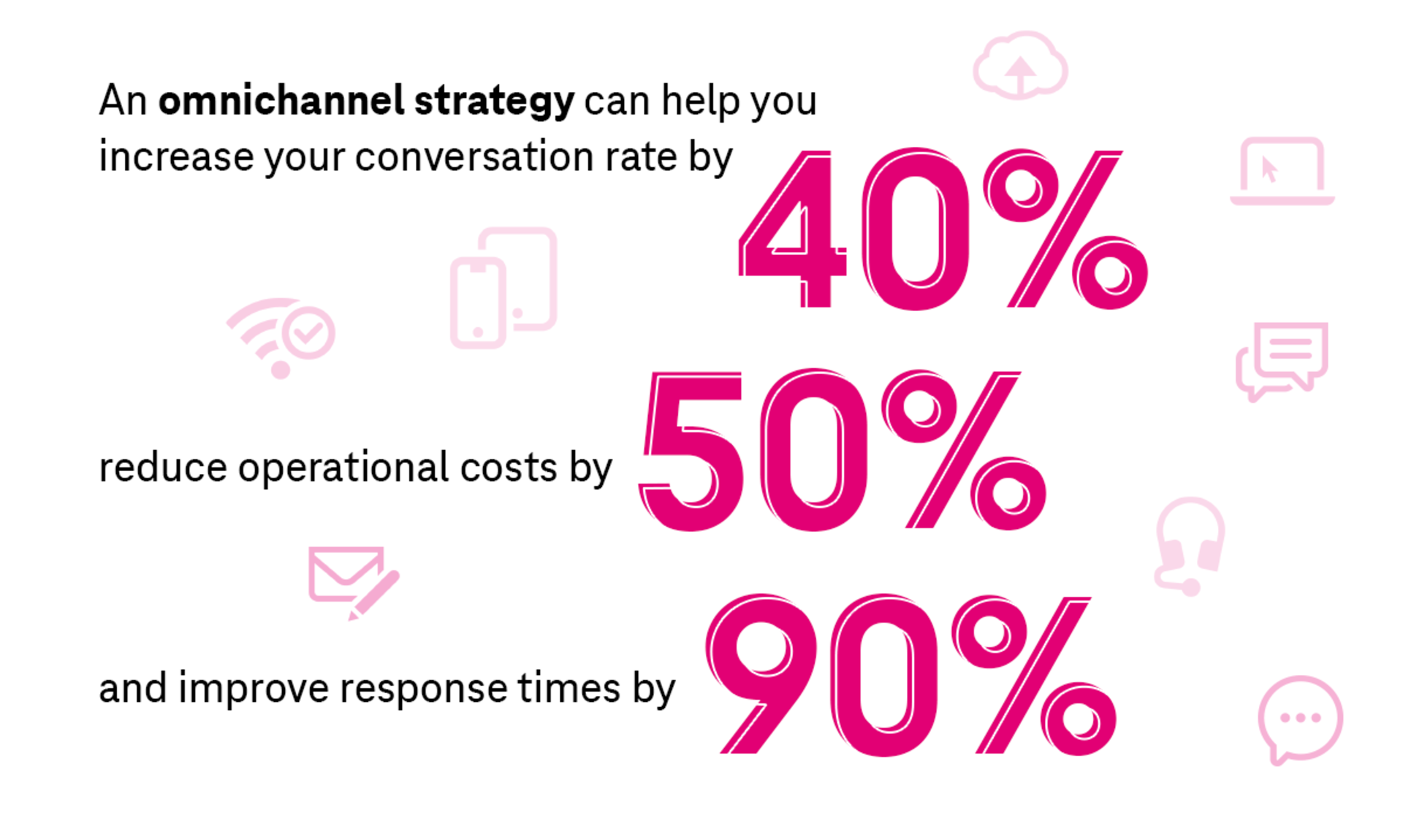
By managing customer interactions centrally across multiple channels, you can improve the customer experience, boost efficiency, and build long-term loyalty. Whether you’re running a small shop or managing enterprise-level operations, an omnichannel strategy can help you increase conversion rates by 40%, reduce operational costs by 50%, and improve response times by 90%.

Why SHOULD BUSINESSES use a COMMUNICATION platform for marketing?

The way customers communicate is changing—and so is the way they interact with businesses. In our increasingly digitalized world, traditional communication channels are giving way to modern connectivity solutions and marketing communication tools. While people used to pick up the phone or send an email, today they’re more likely to get in touch with a company via chat apps, social media, or instant messaging.

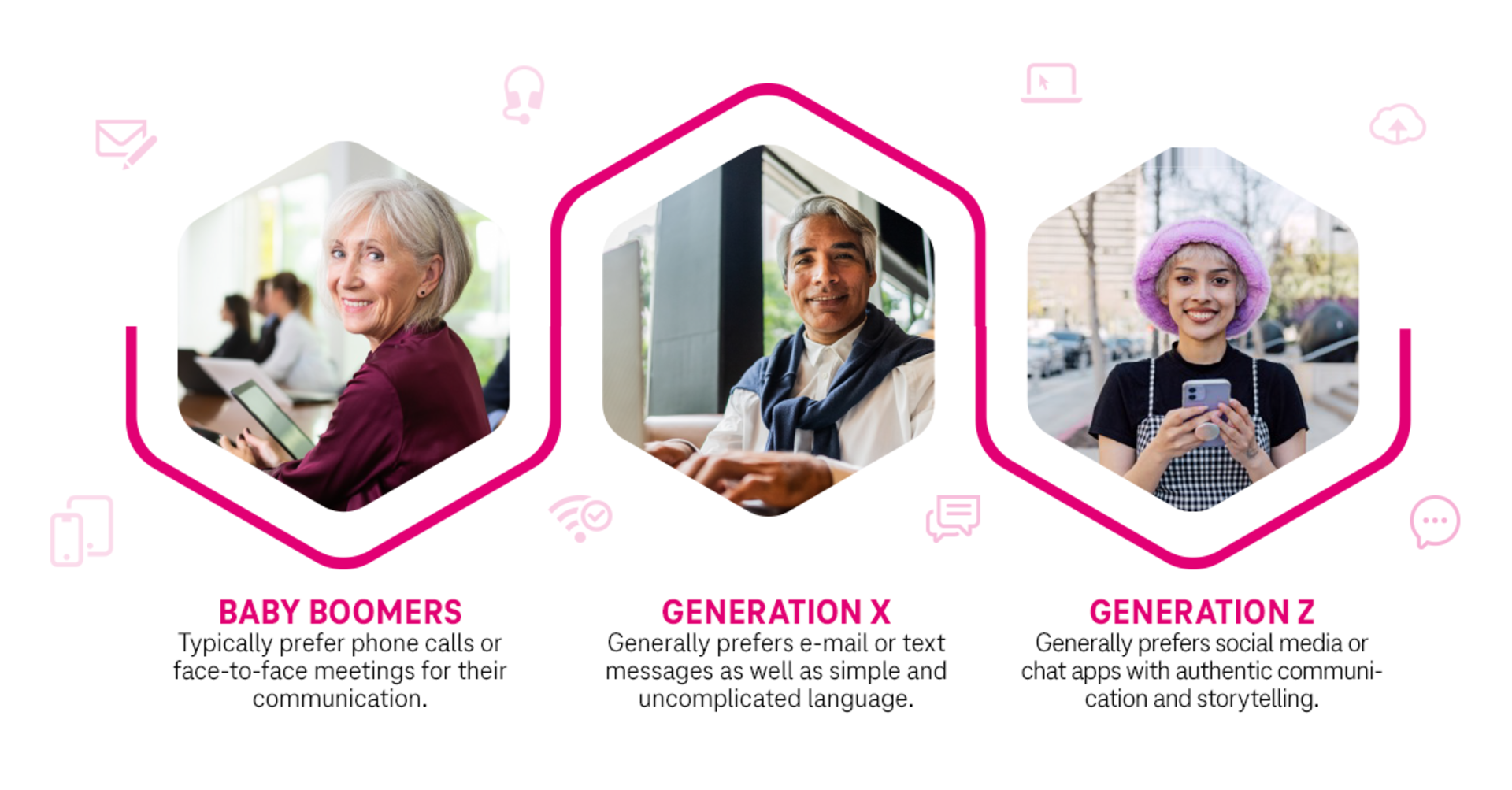
But not everyone is moving at the same speed. Communication preferences also vary by demographic, context, and use case. Some customers prefer phone calls or email, while others increasingly rely on messaging apps, social media, and chat apps. [1] 
So, what does this mean for small and medium-sized businesses? It means, relying on a single communication channel is no longer enough if you’re targeting a broad customer base.

What are the benefits of a communication platform?

A communication platform for marketing (and more) helps businesses manage multiple channels without having to operate each one separately. It can centralize customer interactions, automate recurring communication, provide 24/7 support, and create a more consistent experience across channels like email, SMS, RCS, WhatsApp, Viber, and social messaging. 

According to Infobip:

  • 61% of customers find messaging the easiest way to contact a company
  • 73% use multiple channels during their shopping journey
  • 91% higher customer retention for companies that use omnichannel strategies

Not all communication platforms are created equal

A good communication platform should do more than simply connect different channels. It should help businesses orchestrate conversations across those channels, personalize interactions, automate recurring processes, and maintain context throughout the customer journey.

After all, generic messages and canned responses can actually do more harm than good. Infobip found that 75% of consumers get frustrated when they receive inaccurate or irrelevant messages. The solution is clear: businesses need to personalize the journey—from the first click to post-purchase follow-up.

Companies can stand out in a crowded feed by managing their entire customer journey on one communication platform for marketing, campaigns, and more. Even better, the right platform makes it easy to automate responses with chatbots, employ smart order tracking, and re-engage with loyalty campaigns.  

“An effective omnichannel strategy keeps customers informed, respects their channel preferences, and ensures fast, easy support. Top CX have a strategic mix of traditional channels like email and SMS and digital channels like Instagram, RCS, and WhatsApp. Most importantly, though, they can match the best channel to each use case and even take individual customer preferences into account. Now, by leveraging AI, we can provide more personalized and efficient communication than ever before.”

Igor Marusic
Head of CPaaS Business Development at Telekom Business Europe.

What does an efficient customer journey look like?

Sophisticated marketing communication tools can help businesses manage their customer journey easily, saving time and ensuring consistency. Here’s a quick example of what an optimized customer journey might look like:

  1. Discovery: With lots of people scrolling social media every day, it’s the perfect opportunity for businesses to attract customers with relevant, personalized ads.
  2. Engagement: An integrated chat button allows the customer to ask questions or start the buying process.
  3. Onboarding: After creating a profile, the company offers the customer tailored product suggestions or discounts.
  4. Purchase: The customer is redirected to the company’s website to complete their transaction seamlessly.
  5. Follow-up: The company sends automated delivery updates, followed by a message requesting feedback.
  6. Loyalty: The company continues the relationship with exclusive deals, proactive service, and relevant content. 

Omnichannel across industries with a communication platform for marketing

You can always streamline seamless communication further no matter your industry—whether it’s hospitality, healthcare, banking and finance, transportation, travel, or retail. A communication platform for marketing and more can support different use cases depending on the industry. For example:

  • Banking & Finance: Secure account verification and real-time transaction alerts
  • Retail: Easy product launches, promotions, and abandoned cart reminders
  • Healthcare: Simplified appointment scheduling, confirmations, reminders, and follow-ups
  • Travel & Hospitality: Automated booking confirmations, itinerary updates, and live customer support

Deutsche Telekom B2B Europe